Stabilizing excavation pits and retaining walls with Stati-Pile – areas of application
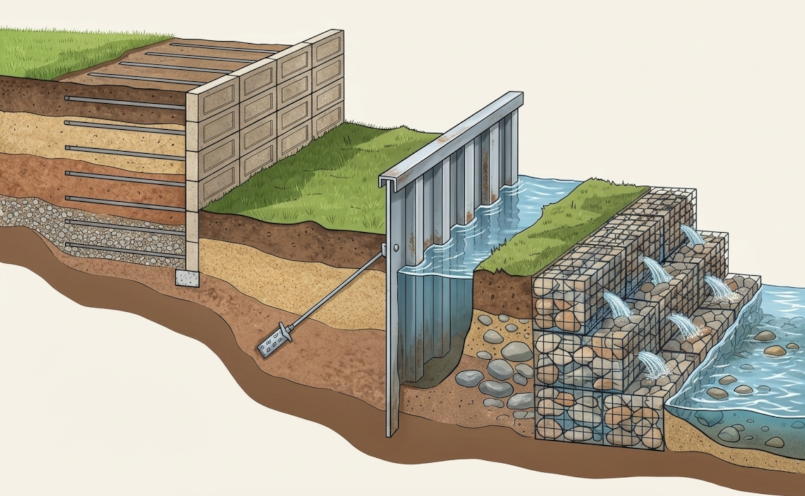
In the first article of this series, “Stabilizing Excavation Pits and Retaining Walls with Stati-Pile – How It Works,” we explored the operating principle behind reinforcing walls and slopes using micropiles, as well as how they differ from traditional drilled-and-grouted anchor piles.
In this article, we will examine the versatility of the Stati-Pile system across various scenarios—specifically, the types of projects for which our technology can be used, along with the nuances of installation and system performance under different conditions.
Applications of the Stati-Pile System
1. Stabilization and Reinforcement of Retaining Walls
Retaining walls are subject to constant lateral soil pressure, which can increase due to changes in hydrogeological conditions, additional surface loading, or the construction of new structures nearby.
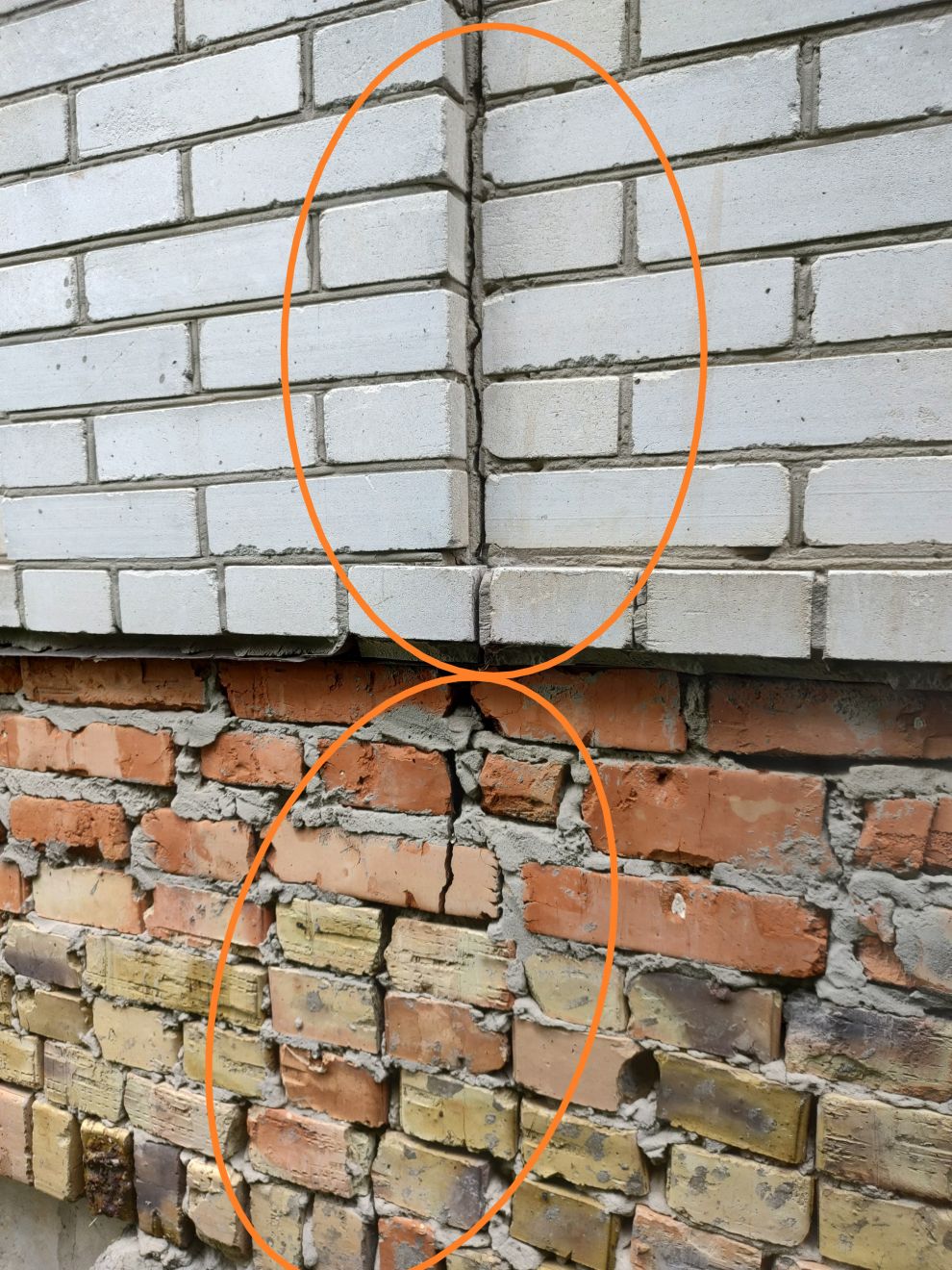
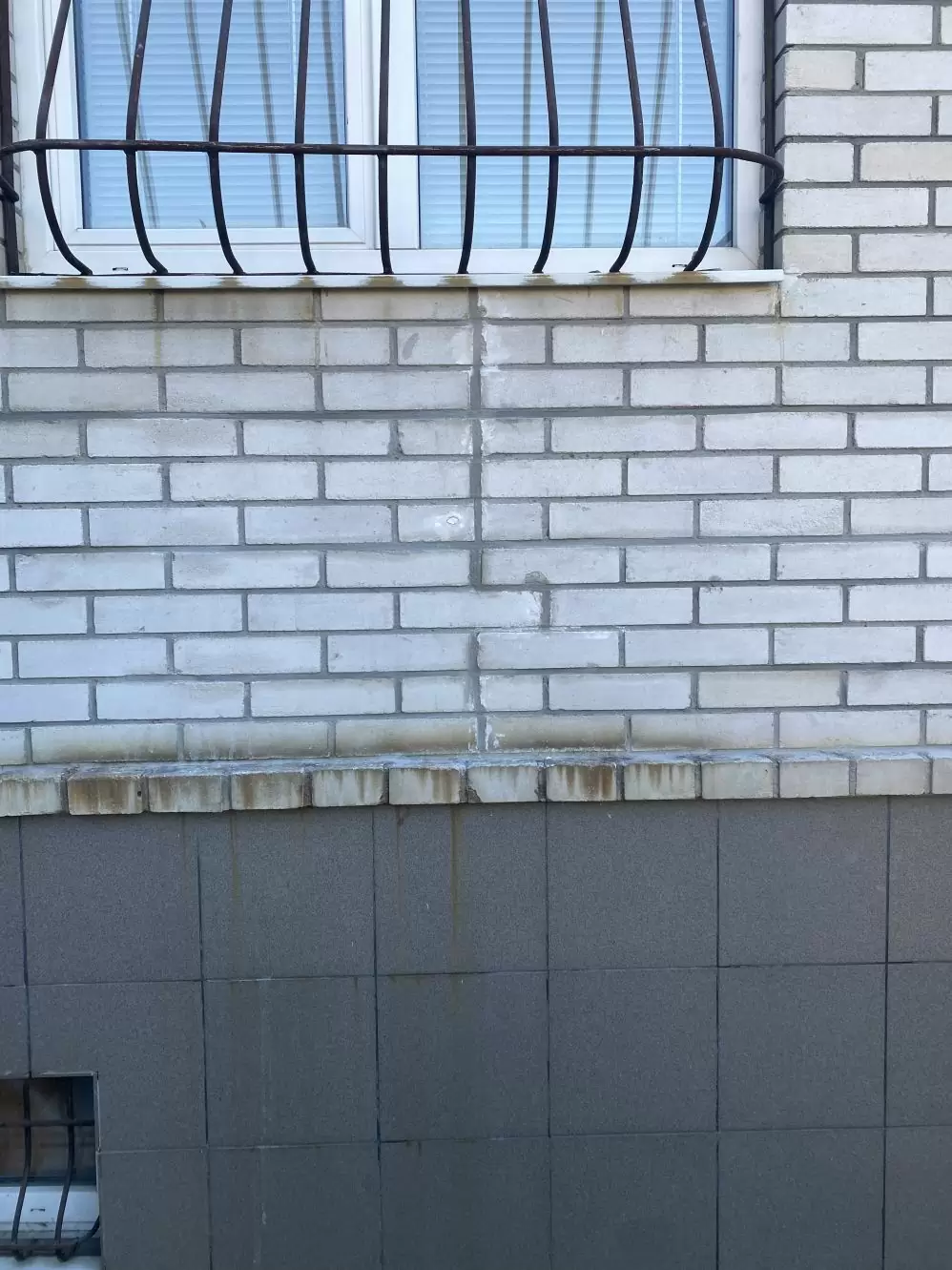
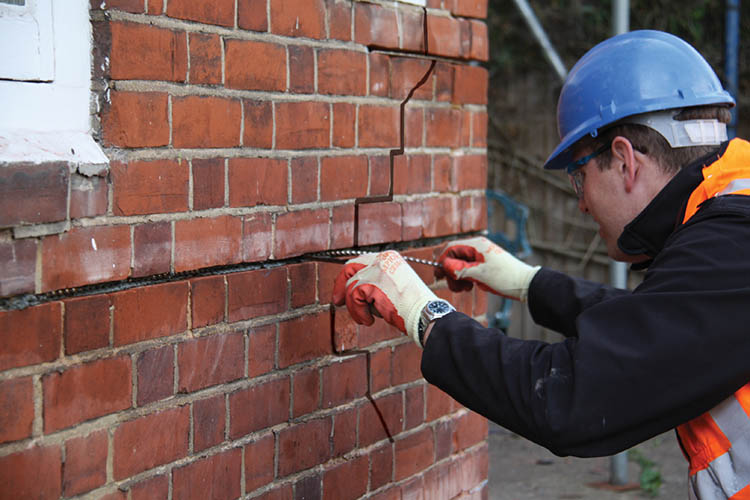
If the foundation lacks sufficient load-bearing capacity, or if the structure itself provides inadequate resistance, issues such as horizontal cracking, bulging, tilting, or displacement may occur.
Stati-Pile micropiles can be used to stabilize both existing retaining walls and new structures.
Because they can be installed at various angles, these micropiles serve as part of a wall-retention system, transferring tensile forces into the surrounding soil mass.
During the design phase, it is essential to incorporate a structural connection detail to facilitate the transfer of forces from the wall to the micropiles. Additional Stati-Bar helical reinforcement can be used to distribute concentrated loads over a larger area.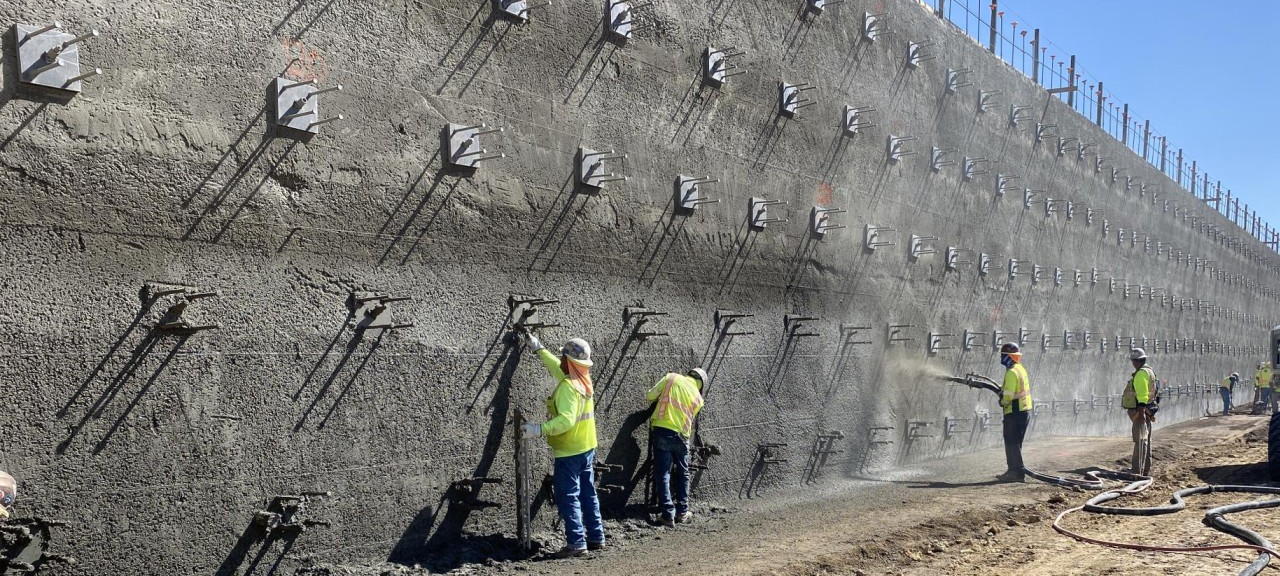
2. Strengthening of Foundations and Basement Walls
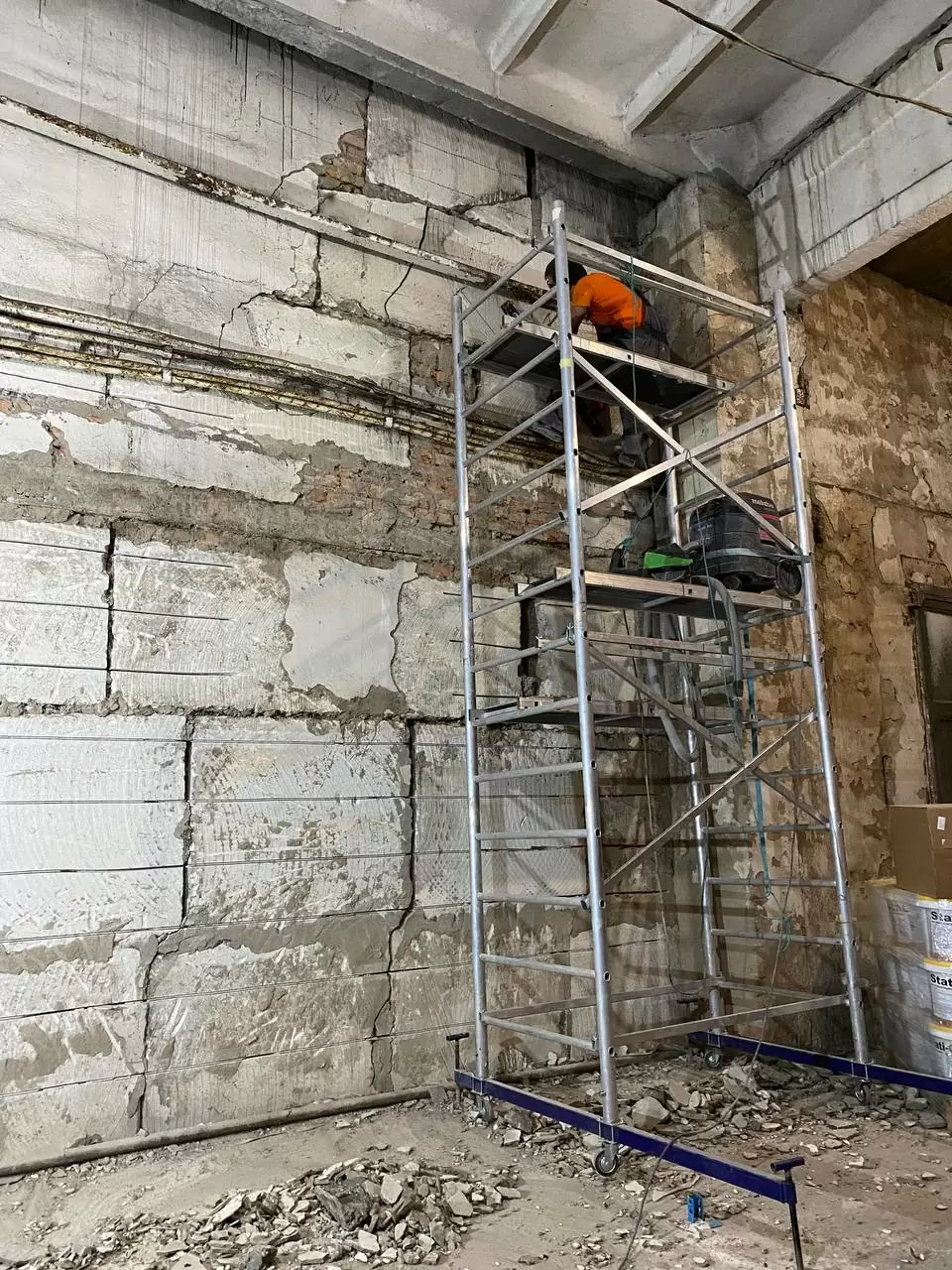
Basement and cellar walls are subjected to lateral soil pressure, hydrostatic water pressure, and additional loads from adjacent buildings, traffic, and other structures.
This can lead to wall deformation, horizontal cracking, localized masonry failure, and a gradual loss of structural stability.
Stati-Pile can be used as part of comprehensive solutions for strengthening foundation structures and transferring loads to deeper soil strata.
One of the system’s advantages is the ability to use compact installation equipment, which allows work to be carried out in confined spaces—including during the renovation of existing buildings.
It is important to note, however, that the installation of micropiles does not, by itself, eliminate the root causes of hydrostatic pressure or water seepage. For a long-term solution, this strengthening must be combined with appropriate measures, such as the installation of drainage and waterproofing systems, as well as the repair of damaged wall sections.
3. Embankments, berthing structures, and shore protection
Hydraulic structures operate under conditions involving fluctuating water levels, wave loads, potential erosion of the foundation base, and high soil moisture content.
These factors can lead to the displacement of retaining structures, a reduction in the stability of coastal walls, and damage to existing stabilization elements.
Stati-Pile micropiles can be used to stabilize the retaining structures of embankments and coastal facilities; they also serve as an alternative solution when developing restoration projects for existing stabilization systems.
The ability to install them at various angles allows the layout of the micropiles to be adapted to the geometry of the structure and the specific conditions of the construction site.
During the design process, it is essential to consider the operational specifics of the hydraulic structure, the corrosivity of the environment, the condition of existing structures, and the characteristics of the connecting elements. Since Stati-Pile is primarily made of an aluminum alloy, protection strategies must be developed based on the specific properties of this material, rather than by drawing analogies to conventional steel piles.
4. Foundations for new structures subject to tensile and compressive loads
One of the key features of Stati-Pile is its ability to function in both directions: under compression and tension.
This allows the micropiles to be used not only for reinforcing existing foundations but also for constructing the foundations of new structures that are subject to alternating or upward-directed loads.
Such structures may include:
- Lightweight metal structures.
- Telecommunication towers/masts.
communication and observation towers.
Textile and membrane structures.
Canopy structures and other lightweight roofing systems.
Individual elements of infrastructure facilities.
In such projects, the use of Stati-Pile allows for the consideration of alternative foundation solutions capable of resisting both vertical compressive forces and uplift (pull-out) loads.
The final selection of the configuration and number of micropiles is determined through engineering calculations, taking into account the applied loads and the characteristics of the soil foundation.
5. Stabilization of Slopes and Embankments
The stability of natural slopes and man-made embankments depends on the geological structure of the soil mass, the groundwater level, the slope angle, and the external loads applied.
Under unfavorable conditions, slip surfaces may form, along which specific sections of soil can shift.
Stati-Pile micropiles can be utilized as components of slope stabilization systems, provided that their design, layout, and load-bearing capacity align with the structural reinforcement scheme.
Depending on the nature of the deformations, they may be used in conjunction with distribution beams, spiral reinforcement, or other structural elements.
It is important to distinguish between the localized reinforcement of surface layers and the stabilization of deep-seated landslide masses. In the latter case, a comprehensive analysis of the overall slope stability is required, including the identification of potential slip surfaces, their depth, and the forces that the stabilization system must be capable of resisting.
Simply intersecting a potential slip surface with a micropile does not guarantee the stabilization of the soil mass; it is essential to ensure the proper functioning of the entire system and that its individual elements possess sufficient load-bearing capacity.
In summary, the following conclusions can be drawn. The Stati-Pile modular pile system can be adapted to a wide range of geotechnical conditions. The key is to account for the specific site conditions during the design phase and to ensure the entire system is installed correctly.
- First, Stati-Pile units can be installed at various depths and driving angles—whether for a vertical wall or for slopes with differing gradients.
- Second, the material’s resistance to aggressive environments makes it suitable for use in hydraulic structures located in rivers, lakes, and marine settings.
- Third, thanks to the compact nature of the installation equipment and the system’s sectional design, it can be deployed in densely built-up urban areas or locations where existing infrastructure restricts access to the work zone.
In the next article, we will examine the principles behind the design of these engineering solutions, the testing procedures for completed pile-based bank and slope stabilization systems, and the technical limitations regarding the use of Stati-Pile.
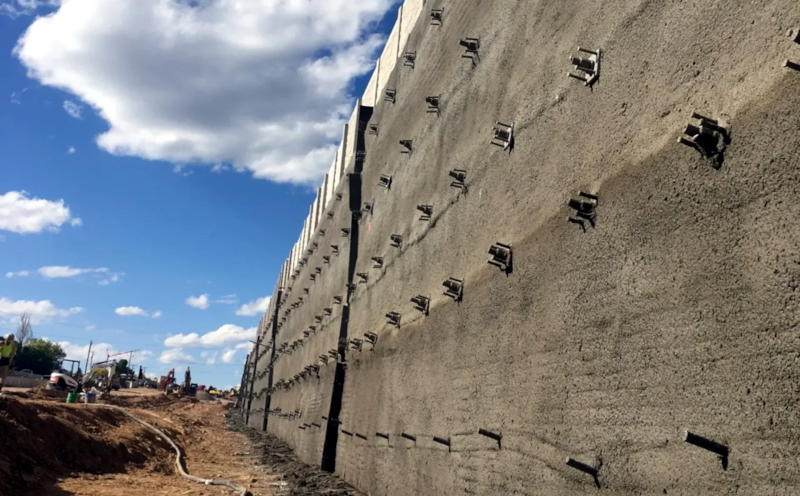

This is the first in a three-part series of articles in which we will examine all these aspects in detail and in the most accessible way possible. We will begin with the fundamentals: the system’s operating principle, installation specifics, and how it differs from traditional drilled-and-grouted ground anchors.
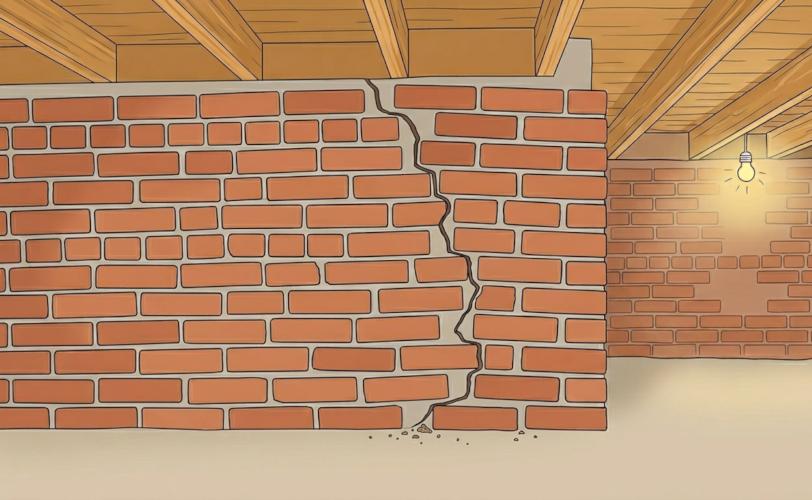
Causes of cracks in brick foundations
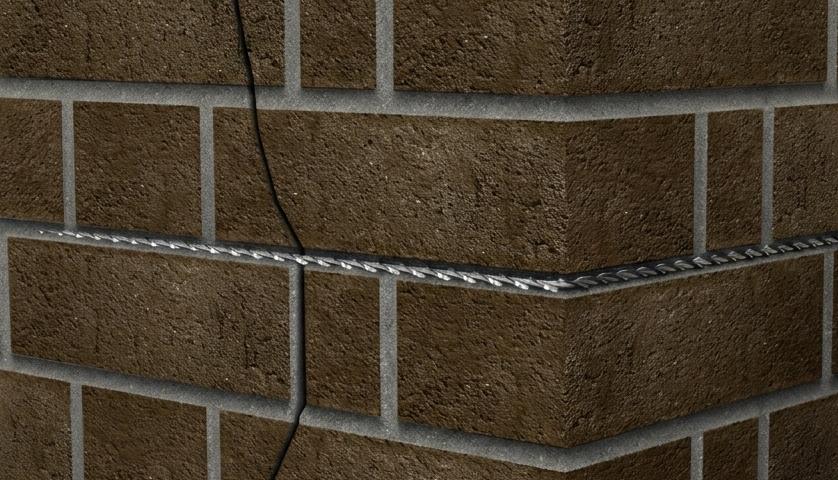
Corners are nodal points that provide spatial rigidity of the entire structure.

Home renovation in rural areas of Ukraine presents special challenges due to historical, economic and social factors. These houses often bear witness to a long and complex history, ranging from the Soviet period to modern changes. The approach to renovating such buildings requires taking into account both the preservation of their historical value and the provision of modern standards of comfort and safety.
Causes of cracks. Cracks in walls can occur for a variety of reasons, including: