How and what to seal a crack in the corner of a wall

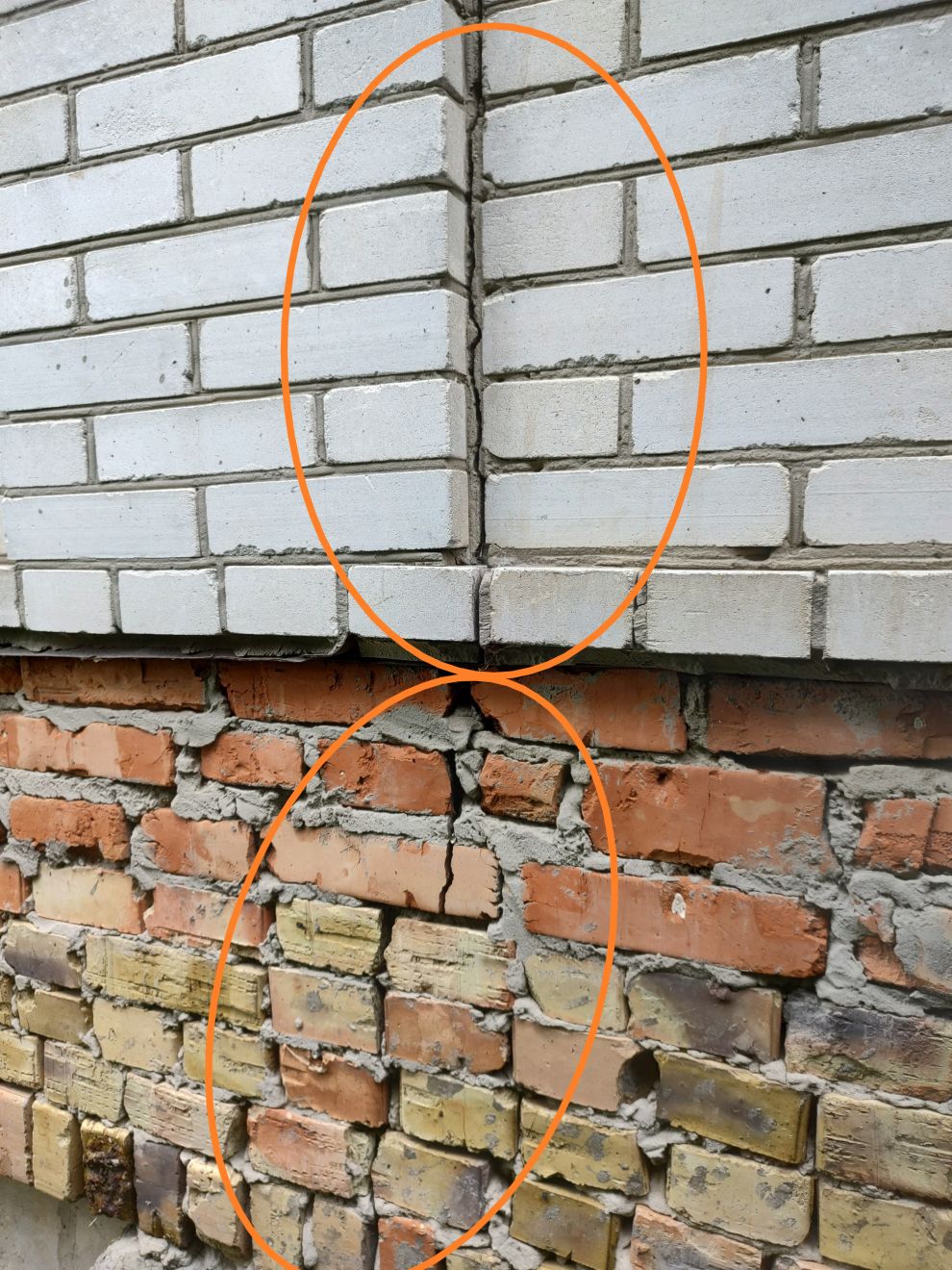
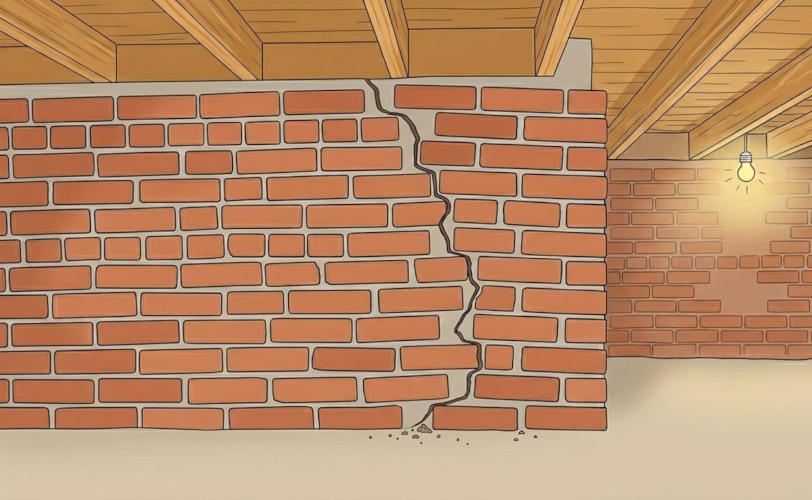
Cracks in the corners of the house are a serious symptom of problems. The reasons may be different, but all of them require immediate measures. Why do we talk about it so categorically?

Corners are nodal points that provide spatial rigidity of the entire structure.

Let’s consider them and classify them. Let’s take the four most common reasons.

Causes of cracks in the corner of the wall

Uneven settlement of the base soils. We have considered the phenomenon itself many times in our articles. Simplifying and abbreviating, we can say that due to the subsidence of the soil under the foundation, at different points to different values, stresses arise in the structures of the foundation and load-bearing walls. The result is stretching forces that “tear” the masonry.

External influences. In wartime conditions, cracks in the walls can form as a result of shelling. To cause damage to a building, it is not necessary to hit it. A jolt caused by a shock wave from a side impact can cause movement in weakened soil. The shock wave itself can have a dynamic effect on the wall. If there were hidden problems before that, the situation will worsen.

Vibrations caused by technogenic factors. The most common cause of vibration loads is the proximity to the railway and subway. Also, the cause may be large-scale construction in the neighborhood and even a busy highway. We explained the principle of the phenomenon in detail in our material “Vibration protection based on construction”. The point is that vibrations not only cause movement in the weakened soil, but also are transmitted through the soil.

Constructive calculations. They can appear over time during operation, due to excess loads on the load-bearing wall (uneven load on the walls), thermal expansion, hidden violations of the integrity of the structures (water leakage, formation of condensate and its freezing in the cavities).

Elimination of cracks in the corners of the walls using steel anchors

It is possible to effectively eliminate the problem with the help of steel anchoring technology, based on engineering experience and Stati-CAL methods. For a better understanding of the seriousness of the problem, we also recommend reading “Types and severity of cracks. Express classification.” Where we previously explained what these or other symptoms signal.

Why exactly the Stati-CAL technology?

Old methods of repairing cracks in the walls of the house, such as “grandfather’s” steel brackets (channels) or concrete “shirts”, have many disadvantages. They are heavy, may require maintenance, require more time to install, and often only temporarily mask the problem, creating new stress points.

The solution offered by Stati-CAL is based on the principle of minimal invasiveness. Instead of massive structures, thin but extremely strong spiral anchors made of stainless steel are used. The alloy selected by the manufacturer provides the necessary combination of stiffness and strength. The special shape and method of installation make the anchor “pre-stressed”, which allows it to transfer loads better than classical anchors. In combination with the use of chemical anchors and a special solution for anchoring places, a long service life of the system is ensured.

The technology of eliminating a crack in the corner with steel anchors

The process of restoring a wall corner using spiral reinforcement systems includes several key stages:

1. Diagnosis of problems

Before “stitching” a crack, it is necessary to make sure that the cause of its appearance has been eliminated or stabilized. If the foundation continues to sag, no anchor will hold the wall forever. First, it may be necessary to strengthen the foundation with piles.

2. Preparation of strobes

Depending on the nature of the crack, Stati-Bar spiral rods, Stati-Tie spiral anchors or their combination can be used.

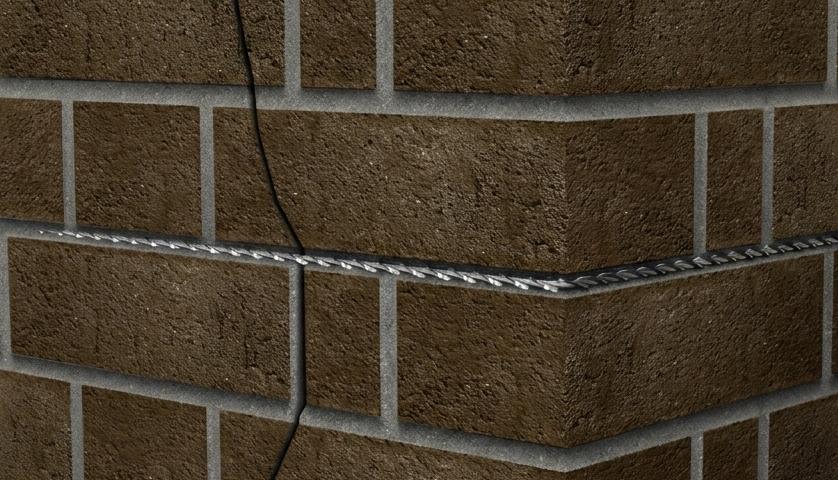
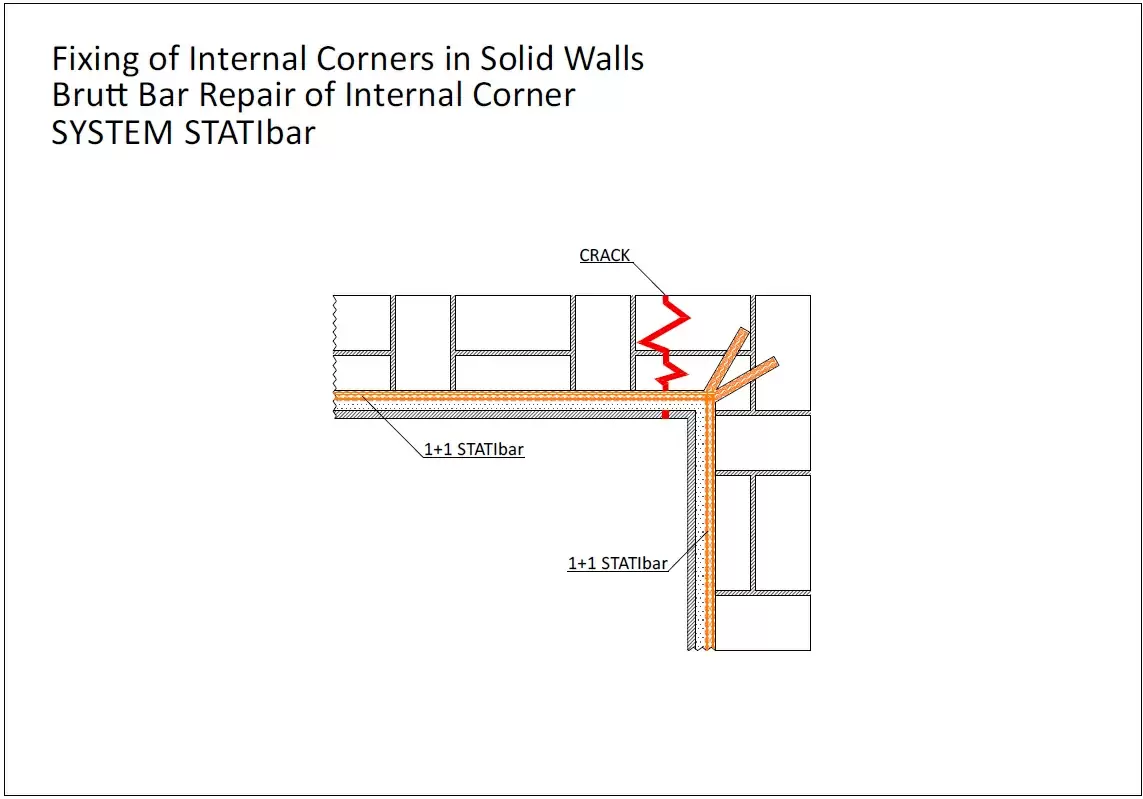
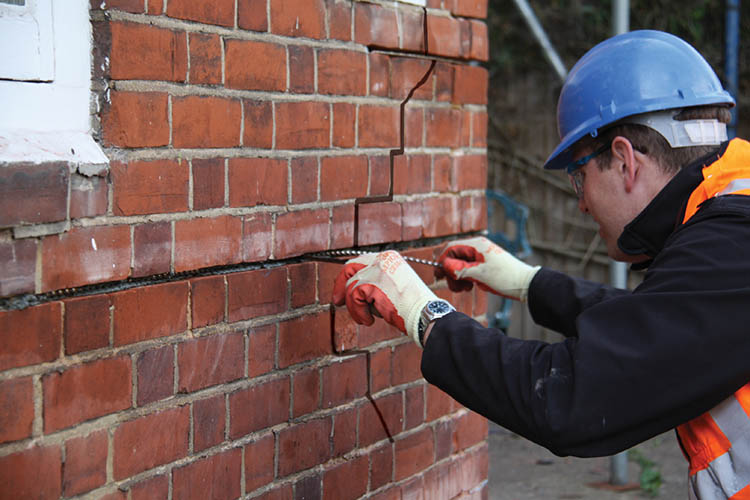
When only spiral rods in the horizontal seams of the masonry, crossing the crack in the corner, are enough, narrow grooves are cut. It is important that the anchor goes around the corner, connecting two perpendicular walls into a single monolith.

What is illustrated in our diagram below:

Ремонт внутрішніх кутів у цегляних стінах арматурою Stati-Bar

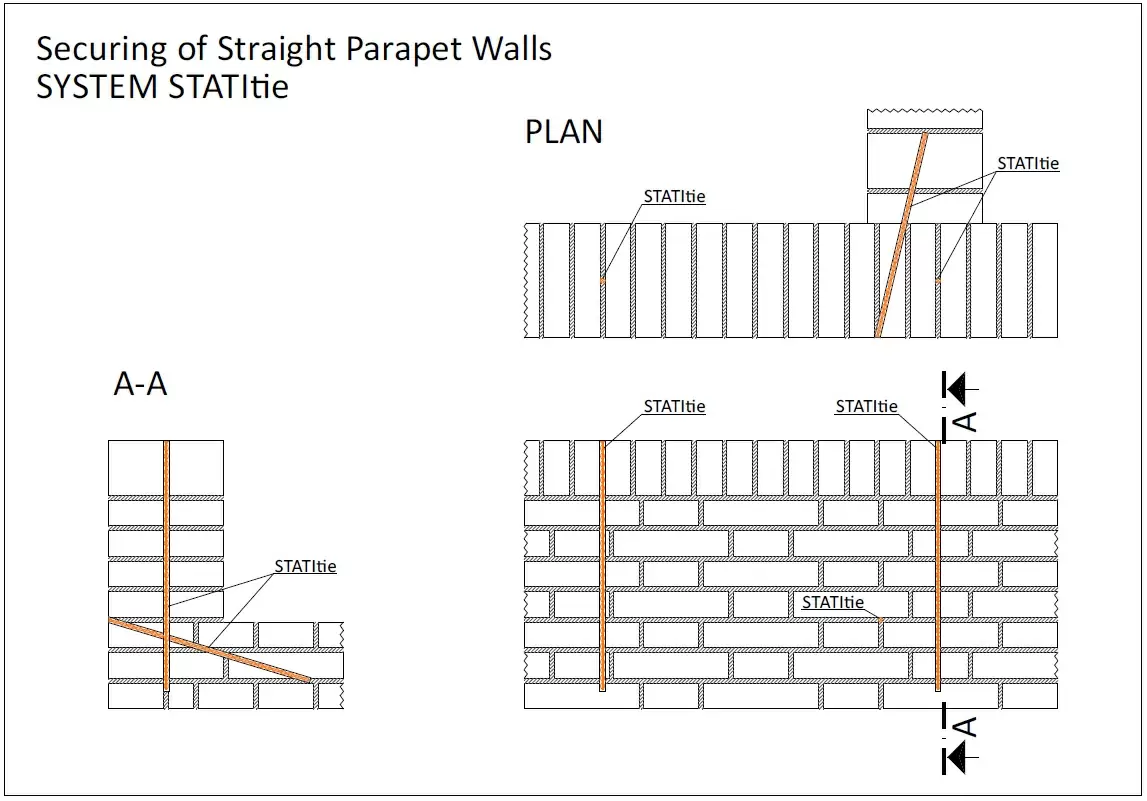
If it is necessary to fasten side-by-side walls, then specialists choose optimal places for drilling the places where Stati-Tie anchors will be installed. As it is illustrated in the second diagram below:

Закріплення прямих парапетних стін з допомогою спіральних анкерів Stati-Tie

In more complex situations, the engineer may decide on the need to use both tie rods and anchors.

3. Installation of spiral anchors and rods

A spiral armature is placed and fixed in the cleaned strobes. Chemical anchors can also be used for fastening. The armature works like a powerful spring: it allows the wall to “breathe” during temperature changes, but firmly fixes it when there is a demand for further rupture. After this, the gate with the fittings is laid with a special non-shrinking solution. This prevents corrosion of materials.

Crack injection

The cavity of the cracks itself is filled with a specialized composition, which in the future excludes moisture from entering the wall.

Advantages of the method

  • Load distribution. Anchors distribute tensile forces over a large area of ​​masonry, preventing the appearance of new cracks next to old ones.
  • Durability The use of stainless steel guarantees that the reinforcement system will not rot inside the wall after 10 years.
  • Preservation of aesthetics. This is critically important for historic buildings and private cottages with expensive facade decoration.
  • Speed Works are carried out without evicting tenants and using heavy machinery.

Conclusion

A crack in the corner of the wall is not a sentence for the house if you approach the problem from a scientific point of view. The use of steel spiral anchors allows not just to “seal” the crack, but to restore the structural integrity of the building. Remember that effective repair always begins with a professional technical inspection: only by understanding the cause of the building’s illness, you can choose the right “medicine”.

Modern solutions for renovation of rural houses in Ukraine

Introduction

Home renovation in rural areas of Ukraine presents special challenges due to historical, economic and social factors. These houses often bear witness to a long and complex history, ranging from the Soviet period to modern changes. The approach to renovating such buildings requires taking into account both the preservation of their historical value and the provision of modern standards of comfort and safety.

Design problems and traditional solutions

1. Aging infrastructure: Many rural houses were built decades ago and have not been subject to preventative repairs, which leads to problems with the foundation, roofing, walls and utility systems. Traditional repair work in such cases is often limited to temporary solutions, without eliminating the cause of the problem.

2. Limited access to resources: In rural areas, access to quality construction materials and skilled workers is often limited. This forces many residents to use scrap materials and traditional repair methods that may not meet modern quality and safety standards.

3. Climate challenges: Extreme weather conditions such as frost, heavy rain and temperature changes require a special approach to insulation and waterproofing of buildings.

Modern approaches and technologies

1. Energy efficiency and insulation: Improving the energy efficiency of rural homes is a key aspect of modern renovations. The use of modern thermal insulation materials and heating systems can significantly improve living conditions and reduce energy costs.

2. Modern building materials: The use of high-quality, durable building materials that better cope with climatic influences helps to increase the resistance of buildings to external factors.

3. Integration with the existing landscape and culture: It is important that renovation works are combined with traditional architecture and do not disturb the historical appearance of rural houses.

Application of Stati-CAL technologies in rural settings

Coming to a close, it is worth mentioning the contribution of Stati-CAL technologies to solving the problems of old buildings. Stati-CAL products, such as the Stati-Bar, Stati-Tie and Stati-Pile systems, can be especially useful in rural environments:

1. Repairing cracks in walls and foundations: Effective for strengthening cracks in load-bearing structures, which is a common problem in older buildings. Stati-CAL strengthening methods provide long-term stability without changing the appearance of the building.

2. Repair of building extensions or extensions: Given the limited access to resources in rural areas, Stati-CAL systems offer a simple and effective way to strengthen buildings without the need for complex construction work.

3. Foundation repair with Stati-Pile piles is a reliable and effective solution to restore the stability and longevity of your home or building. This method combines high accuracy, minimal disruption and cost-effectiveness, making it the preferred choice for many property owners in remote areas.

Conclusion

Renovating houses in rural areas in Ukraine requires a balance between preserving traditional architecture and introducing modern technologies. Taking into account historical, cultural and climatic features, as well as modern construction trends and technologies, it is possible not only to maintain, but also to significantly improve the quality of life in these buildings. Stati-CAL products offer practical and effective solutions for strengthening and restoration, allowing the past to be successfully combined with the present and future in architecture throughout rural Eastern Europe.

Tightening (screeding) a house from cracks: a solution for property owners

Property owners often face the problem of cracks in the walls of their homes. One of the methods to combat this problem is to tighten the house, that is, eliminate cracks by bringing its structure into an equilibrium state. In this text we will look at the causes of cracks, methods of tightening a house and the consequences of such actions.

Causes of cracks. Cracks in walls can occur for a variety of reasons, including:

  • Consequences of natural processes such as thermal expansion and contraction, soil subsidence, changes in humidity, etc.
  • Insufficient strength or improper distribution of loads in the structure of the house.
  • Exposure to external factors such as earthquakes, floods or severe, widespread severe weather.

Methods of dealing with cracks in a building. Various tightening methods are used to eliminate cracks and prevent their further formation, including:

  • Use of reinforced ties, angles and ties: This method involves installing reinforcing elements, such as metal rods or specialized polymer inserts, to strengthen the structure and prevent deformation.
  • Use of injection materials: In some cases, cracks may be caused by moisture or water penetrating into the walls. The use of waterproofing materials allows you to prevent these problems and eliminate the causes of cracks.
  • Foundation Repair and Strengthening: If the cause of the cracks is related to problems in the foundation, it is necessary to repair and strengthen the foundation to restore the stability of the entire structure.

An important aspect to consider when considering the method of tightening a house from cracks.

  • Climate Features and Temperature Changes: In climate zones with seasonal changes in ambient temperature, standard house construction may face additional challenges. When installing reinforced screeds or other strengthening elements, it is necessary to take into account possible changes in size and deformation of structures under the influence of temperature and humidity fluctuations. For example, when the temperature increases, materials can expand, and when the temperature decreases, they contract. This can lead to changes in the stress of the structures themselves and the tension of the ties, which in turn can put additional pressure on the walls and other structural elements, leading to new deformations and damage.
  • Regular maintenance and adjustment: In order to avoid further damage and deformation, it is important to regularly check the condition and tension of ties and other reinforcement elements. Adjustment and adjustment of tension are required depending on the regularity of changes in climatic conditions and other factors affecting the load-bearing structures of the building. This will help maintain the stability and reliability of the reinforced elements, as well as prevent further damage or the appearance of new ones.

Considering these factors, it is necessary to ensure proper installation and regular maintenance of the home’s tie-down system, especially in regions with variable climates. This will help minimize the risks of additional damage and ensure the durability and reliability of the structure for a long time.

The traditional process of tightening a home against cracks often comes with a number of challenges and limitations, especially in variable climates and regular maintenance requirements. However, the Stati-CAL system offers innovative solutions that can offset these disadvantages and provide more effective and durable strengthening of the home structure.

  1. Adapt to changing conditions: One of the main advantages of the Stati-CAL system is its ability to adapt to changing climatic conditions without the need for regular adjustments. Thanks to its unique design and the use of specialized materials, Stati-CAL can compensate for thermal expansion and contraction, which minimizes the risk of damage and deformation of the home structure.
  2. Flexibility and Strength: The Stati-CAL System offers a wide range of flexible and durable reinforced rods, anchors and adhesives that can be used to strengthen various types of damage and cracks. These materials have high strength and durability, which ensures the stability and reliability of the home structure for many years.
  3. The Stati-CAL technology system provides a comprehensive solution that solves building problems from foundation to roof. This eliminates the cause of the cracks, guaranteeing a long-term solution for a safe and stable future for the building for many years to come.
  4. Quality and Durability Guarantee: Stati-CAL provides a guarantee for its products, which confirms their high quality and durability. This gives home owners confidence that their structure will be reliably protected from damage and deformation for a long time.

In conclusion, the Stati-CAL system is an innovative solution for strengthening and bracing a home against cracks that overcomes many of the limitations of traditional methods. Its ability to adapt to changing conditions, flexibility, minimal maintenance requirements and guaranteed quality make Stati-CAL the preferred choice for those looking to ensure the longevity and stability of their home.

Get a free consultation
During the consultation, our experts will assess your problem and offer an approximate solution. You can also order a minimal examination for a more thorough and accurate assessment. Leave your contacts and our experts will contact you.

    photo contact